
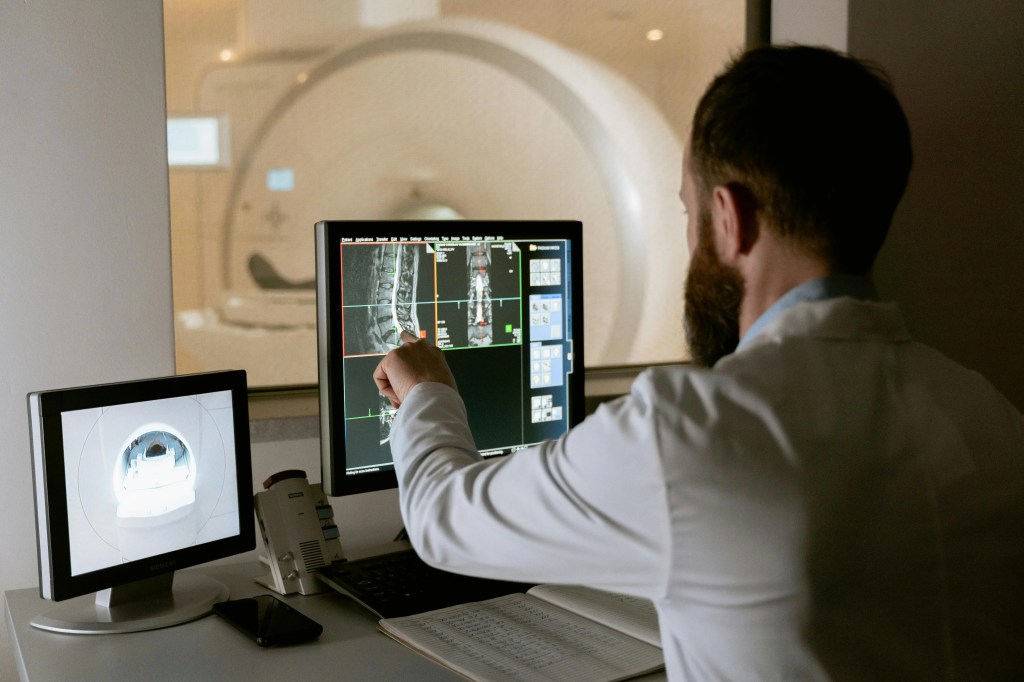
In today’s fast-evolving healthcare ecosystem, timely diagnosis and seamless collaboration are essential. Traditional PACS (Picture Archiving and Communication System) solutions, while once revolutionary, are increasingly limited by cost, infrastructure, and accessibility. Enter Cloud PACS—a next-generation solution that’s redefining how we store, access, and share medical images.
What is Cloud PACS?
Cloud PACS is a web-based system that allows healthcare professionals to store, retrieve, manage, and share medical images (like X-rays, CT scans, MRIs, ultrasounds) over the internet. Unlike on-premise PACS that require dedicated servers and local IT support, cloud PACS operates on secure cloud platforms—offering anywhere, anytime access to imaging data.
Why Cloud PACS Is a Game-Changer
1. Remote Accessibility and Telemedicine Integration
With cloud PACS, radiologists and physicians can securely access imaging data from any device, anywhere in the world. This is especially critical in telemedicine, rural healthcare, and emergency consultations.
Example: A radiologist can review a scan on a tablet while traveling, enabling faster diagnosis and treatment planning.
2. Cost-Effective and Scalable
Traditional PACS requires significant upfront investment in hardware and IT infrastructure. Cloud PACS eliminates these costs with a subscription or pay-as-you-go model. It also scales easily as your data grows—no server upgrades required.
3. Seamless Collaboration
Cloud PACS makes it easy to share images with other departments, external specialists, or partner hospitals in real-time—leading to faster decision-making and improved patient outcomes.
4. Data Security & Compliance
Reputable cloud PACS providers offer HIPAA- and GDPR-compliant platforms with robust encryption, multi-factor authentication, and automatic backups to protect patient data.
Bonus: Cloud PACS solutions also support role-based access control, ensuring only authorized users can view or edit records.
5. Disaster Recovery and Redundancy
With data stored in geographically diverse data centers, cloud PACS ensures your medical imaging archive is safe from local disasters, server failures, or ransomware attacks.
6. Easy Integration with EMR and HIS Systems
Modern cloud PACS can be integrated with Electronic Medical Records (EMR) and Hospital Information Systems (HIS), creating a unified and efficient workflow for clinicians.
Real-World Use Case
A mid-sized diagnostic center in India reported:
- 35% reduction in turnaround time for imaging reports
- 40% savings in annual IT and infrastructure costs
- Enhanced collaboration between departments using secure online access
When Should You Switch to Cloud PACS?
- You have growing storage needs and limited physical space
- Your team works across multiple locations
- You want to reduce IT costs and complexity
- You’re planning to support remote diagnostics or telehealth
- You’re seeking a future-proof imaging solution
Frequently Asked Questions (FAQ)
Q: What is the main difference between Cloud PACS and traditional PACS?
A: Cloud PACS operates via the internet, offering greater flexibility, lower costs, and remote access, while traditional PACS relies on local servers and infrastructure.
Q: Is Cloud PACS secure?
A: Yes. Top vendors offer encryption, compliance with HIPAA/GDPR, and advanced user authentication to keep patient data safe.
Q: Can Cloud PACS handle large volumes of data?
A: Absolutely. Cloud platforms are highly scalable and can store petabytes of imaging data with fast retrieval.
Q: What if my internet goes down?
A: Most systems offer offline caching or redundancy planning to ensure minimal disruption in such cases.
 blog.radiolinq.com
Leave a comment